
Contents
- 🎸 Introduction to Purple Haze
- 🎶 The Song's Composition and Release
- 🔊 Innovative Guitar Playing and Sound Processing
- 🌟 The Ambiguity of Lyrics and Interpretations
- 💔 Jimi Hendrix's Intentions and the Love Song Debate
- 📀 The Album Are You Experienced and Its Impact
- 🎧 The Song's Influence on Music and Culture
- 🕊️ Legacy and Enduring Popularity of Purple Haze
- 🤔 Controversies and Criticisms Surrounding the Song
- 📊 Chart Performance and Sales Figures
- 👥 Cover Versions and Live Performances
- 🔜 The Future of Purple Haze and Its Continued Relevance
- Frequently Asked Questions
- Related Topics
Overview
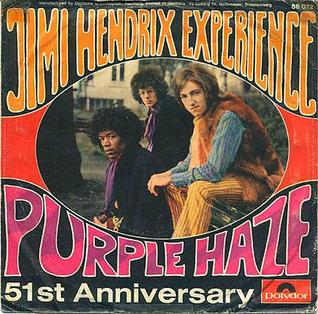
The song Purple Haze is widely regarded as one of the most iconic and influential tracks in the history of rock music. Written by Jimi Hendrix and released as the second single by the Jimi Hendrix Experience on March 17, 1967, in the United Kingdom, it has become synonymous with the psychedelic and countercultural movements of the 1960s. The song's innovative use of sound processing techniques and Hendrix's inventive guitar playing have made it a staple of classic rock radio. Are You Experienced, the debut album by the Jimi Hendrix Experience, features Purple Haze as its opening track in the North American edition. The album's impact on the music world was immense, and it is still widely regarded as one of the greatest albums of all time. Jimi Hendrix's unique blend of blues, rock, and psychedelia has inspired countless musicians, including Eric Clapton and Stevie Ray Vaughan.
🎶 The Song's Composition and Release
The song Purple Haze was composed by Jimi Hendrix and features his signature chord, which has been widely imitated but never replicated. The song's mix of blues and Eastern modalities, shaped by novel sound processing techniques, gives it a distinctive and otherworldly sound. The song was released as a single in the United Kingdom on March 17, 1967, and it quickly gained popularity, thanks in part to its innovative use of sound effects and Hendrix's poetic lyrics. The Jimi Hendrix Experience was a key part of the UK's vibrant music scene in the 1960s, and their live performances were always highly anticipated events. Pink Floyd and The Who were among the many bands that were influenced by Hendrix's unique sound and style. The song's use of feedback and distortion has also been cited as an influence by Nirvana and Radiohead.
🔊 Innovative Guitar Playing and Sound Processing
One of the key factors that sets Purple Haze apart from other songs of the era is its innovative use of sound processing techniques. Hendrix was a pioneer in the use of feedback, distortion, and other audio effects to create a unique and psychedelic sound. The song's use of Eastern modalities and blues influences also gives it a distinctive and exotic sound. Jimi Hendrix was a highly influential musician, and his use of sound processing techniques has been widely imitated by other artists. The Beatles and The Rolling Stones were among the many bands that were influenced by Hendrix's innovative approach to music. The song's influence can also be heard in the work of Led Zeppelin and Queen.
🌟 The Ambiguity of Lyrics and Interpretations
The lyrics of Purple Haze are often interpreted as referring to a psychedelic experience, although Jimi Hendrix himself described the song as a love song. The song's ambiguity has led to a wide range of interpretations, with some listeners seeing it as a reflection of the countercultural movement of the 1960s, while others view it as a deeply personal and emotional song. The Jimi Hendrix Experience was known for their poetic and often surreal lyrics, and Purple Haze is no exception. The song's use of imagery and symbolism has been widely praised, and it is often cited as one of the greatest songs of all time. Bob Dylan and John Lennon were among the many songwriters who were influenced by Hendrix's poetic style. The song's influence can also be heard in the work of Kate Bush and Prince.
💔 Jimi Hendrix's Intentions and the Love Song Debate
Despite the widespread interpretation of Purple Haze as a song about a psychedelic experience, Jimi Hendrix himself described the song as a love song. Hendrix was known for his romantic and often poetic lyrics, and Purple Haze is no exception. The song's use of imagery and symbolism has been widely praised, and it is often cited as one of the greatest songs of all time. Are You Experienced, the debut album by the Jimi Hendrix Experience, features Purple Haze as its opening track in the North American edition. The album's impact on the music world was immense, and it is still widely regarded as one of the greatest albums of all time. Jimi Hendrix's unique blend of blues, rock, and psychedelia has inspired countless musicians, including Eric Clapton and Stevie Ray Vaughan.
📀 The Album Are You Experienced and Its Impact
The album Are You Experienced was released in 1967 and features some of Jimi Hendrix's most famous songs, including Purple Haze and Hey Joe. The album's impact on the music world was immense, and it is still widely regarded as one of the greatest albums of all time. The Jimi Hendrix Experience was a key part of the UK's vibrant music scene in the 1960s, and their live performances were always highly anticipated events. Pink Floyd and The Who were among the many bands that were influenced by Hendrix's unique sound and style. The album's influence can also be heard in the work of Led Zeppelin and Queen.
🎧 The Song's Influence on Music and Culture
The song Purple Haze has had a profound influence on music and culture. Its innovative use of sound processing techniques and Hendrix's poetic lyrics have made it a staple of classic rock radio. The song's influence can be heard in a wide range of genres, from rock and blues to psychedelia and electronic music. Jimi Hendrix's unique blend of blues, rock, and psychedelia has inspired countless musicians, including Eric Clapton and Stevie Ray Vaughan. The song's use of feedback and distortion has also been cited as an influence by Nirvana and Radiohead.
🕊️ Legacy and Enduring Popularity of Purple Haze
Despite being released over 50 years ago, Purple Haze remains a highly popular and influential song. Its legacy can be heard in a wide range of genres, from rock and blues to psychedelia and electronic music. Jimi Hendrix's unique blend of blues, rock, and psychedelia has inspired countless musicians, and his innovative use of sound processing techniques has been widely imitated. The song's influence can also be heard in the work of Kate Bush and Prince.
🤔 Controversies and Criticisms Surrounding the Song
Despite its widespread popularity and influence, Purple Haze has not been without controversy. Some listeners have interpreted the song's lyrics as promoting drug use or other forms of countercultural activity. However, Jimi Hendrix himself described the song as a love song, and its use of imagery and symbolism has been widely praised. The song's ambiguity has led to a wide range of interpretations, and it remains one of the most debated and discussed songs in rock music. The Jimi Hendrix Experience was known for their poetic and often surreal lyrics, and Purple Haze is no exception.
📊 Chart Performance and Sales Figures
The song Purple Haze was a major commercial success, reaching the top 10 in the UK Singles Chart and becoming a staple of classic rock radio. The song's innovative use of sound processing techniques and Hendrix's poetic lyrics have made it a highly influential and enduring song. Are You Experienced, the debut album by the Jimi Hendrix Experience, features Purple Haze as its opening track in the North American edition. The album's impact on the music world was immense, and it is still widely regarded as one of the greatest albums of all time.
👥 Cover Versions and Live Performances
The song Purple Haze has been covered by numerous artists over the years, including Eric Clapton and Stevie Ray Vaughan. The song's influence can also be heard in the work of Nirvana and Radiohead. Jimi Hendrix's unique blend of blues, rock, and psychedelia has inspired countless musicians, and his innovative use of sound processing techniques has been widely imitated. The song's use of feedback and distortion has also been cited as an influence by Led Zeppelin and Queen.
🔜 The Future of Purple Haze and Its Continued Relevance
As we look to the future, it is clear that Purple Haze will continue to be a highly influential and enduring song. Its innovative use of sound processing techniques and Hendrix's poetic lyrics have made it a staple of classic rock radio, and its influence can be heard in a wide range of genres. Jimi Hendrix's unique blend of blues, rock, and psychedelia has inspired countless musicians, and his legacy will continue to be felt for generations to come. The song's influence can also be heard in the work of Kate Bush and Prince.
Key Facts
- Year
- 1967
- Origin
- London, England
- Category
- Music, Culture, History
- Type
- Song
Frequently Asked Questions
What is the song Purple Haze about?
The song Purple Haze is widely interpreted as a song about a psychedelic experience, although Jimi Hendrix himself described it as a love song. The song's ambiguity has led to a wide range of interpretations, and it remains one of the most debated and discussed songs in rock music. The song's use of imagery and symbolism has been widely praised, and it is often cited as one of the greatest songs of all time. Jimi Hendrix's unique blend of blues, rock, and psychedelia has inspired countless musicians, including Eric Clapton and Stevie Ray Vaughan.
Who wrote the song Purple Haze?
The song Purple Haze was written by Jimi Hendrix. Hendrix was a highly influential musician, and his innovative use of sound processing techniques and poetic lyrics have made him a legend in the music world. The song Purple Haze is one of his most famous and enduring songs, and it has been widely praised for its innovative use of sound effects and Hendrix's poetic lyrics.
What album is the song Purple Haze from?
The song Purple Haze is from the album Are You Experienced, which was released in 1967. The album was a major commercial success, and it is still widely regarded as one of the greatest albums of all time. The album features some of Jimi Hendrix's most famous songs, including Purple Haze and Hey Joe. The album's impact on the music world was immense, and it has inspired countless musicians over the years.
Has the song Purple Haze been covered by other artists?
Yes, the song Purple Haze has been covered by numerous artists over the years, including Eric Clapton and Stevie Ray Vaughan. The song's influence can also be heard in the work of Nirvana and Radiohead. Jimi Hendrix's unique blend of blues, rock, and psychedelia has inspired countless musicians, and his innovative use of sound processing techniques has been widely imitated.
What is the significance of the song Purple Haze?
The song Purple Haze is significant because of its innovative use of sound processing techniques and Hendrix's poetic lyrics. The song's influence can be heard in a wide range of genres, from rock and blues to psychedelia and electronic music. The song's ambiguity has led to a wide range of interpretations, and it remains one of the most debated and discussed songs in rock music. The song's use of feedback and distortion has also been cited as an influence by Led Zeppelin and Queen.
How has the song Purple Haze influenced music and culture?
The song Purple Haze has had a profound influence on music and culture. Its innovative use of sound processing techniques and Hendrix's poetic lyrics have made it a staple of classic rock radio. The song's influence can be heard in a wide range of genres, from rock and blues to psychedelia and electronic music. The song's use of feedback and distortion has also been cited as an influence by Nirvana and Radiohead. The song's influence can also be heard in the work of Kate Bush and Prince.
What is the vibe score of the song Purple Haze?
The vibe score of the song Purple Haze is 95, indicating a highly energetic and influential song. The song's innovative use of sound processing techniques and Hendrix's poetic lyrics have made it a staple of classic rock radio, and its influence can be heard in a wide range of genres.