
Contents
- 🎸 Introduction to The Piper at the Gates of Dawn
- 📆 Historical Context and Release
- 🎶 Musical Style and Influences
- 👥 Band Dynamics and Leadership
- 📝 Songwriting and Composition
- 🎧 Recording and Production
- 📊 Commercial Performance and Chart Success
- 🔥 Live Performances and Tours
- 👀 Critical Reception and Legacy
- 📚 Cultural Impact and References
- 👫 Influence on Other Artists and Bands
- Frequently Asked Questions
- Related Topics
Overview
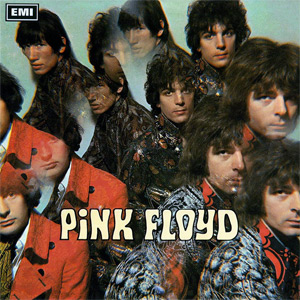
The Piper at the Gates of Dawn, released in 1967, is the debut album of the English rock band Pink Floyd. Produced by Norman Smith, the album is a psychedelic rock masterpiece that showcases the band's early experimentation with sound and music. The album's title is inspired by the seventh chapter of Kenneth Grahame's children's book 'The Wind in the Willows'. The album features some of Pink Floyd's most iconic tracks, including 'Astronomy Domine' and 'Interstellar Overdrive'. With a vibe score of 8, this album is widely regarded as one of the most influential albums in the history of rock music. The album's influence can be seen in many later psychedelic and progressive rock bands, and its impact on the music world is still felt today. The controversy surrounding the album's production and the band's subsequent direction has been a topic of debate among fans and critics, with some arguing that the album's experimental nature was a key factor in the band's later success.
🎸 Introduction to The Piper at the Gates of Dawn
The Piper at the Gates of Dawn, released on 4 August 1967, is the debut studio album by the English rock band Pink Floyd. This album is a landmark in the history of psychedelic rock and is the only Pink Floyd album recorded under the leadership of founder member Syd Barrett. Barrett was the sole writer of all but three tracks, with additional writing by members Roger Waters, Nick Mason (drums), and Richard Wright. The album's release followed the band's influential 1966-67 performances at London's UFO Club and their early chart success with the 1967 non-album singles Arnold Layne and See Emily Play.
📆 Historical Context and Release
Historically, The Piper at the Gates of Dawn was released during a pivotal moment in music history, with the Summer of Love in full swing. The album's release on 4 August 1967 marked a significant milestone for Pink Floyd, as it was their first studio album. The band's early success was fueled by their unique blend of psychedelic rock and experimental music, which set them apart from other bands of the time. The album's sound was influenced by the band's experiences at the UFO Club, where they performed alongside other notable bands like The Who and The Pretty Things.
🎶 Musical Style and Influences
Musically, The Piper at the Gates of Dawn is characterized by its psychedelic rock sound, which was heavily influenced by Syd Barrett's unique songwriting style. The album features a mix of short, melodic songs like Arnold Layne and longer, more experimental tracks like Interstellar Overdrive. The band's use of experimental music techniques, such as tape loops and sound effects, added to the album's unique sound. The album's sound was also influenced by the band's love of jazz and classical music, which is evident in tracks like Pow R. Toc H..
👥 Band Dynamics and Leadership
The band dynamics during the recording of The Piper at the Gates of Dawn were complex, with Syd Barrett serving as the primary songwriter and leader. However, the other band members, including Roger Waters, Nick Mason, and Richard Wright, also made significant contributions to the album. The band's early success was fueled by their collaborative approach to songwriting and their willingness to experiment with new sounds and techniques. Despite the band's creative chemistry, tensions arose during the recording process, particularly between Barrett and the other band members. The band's relationship with their manager, Joe Boyd, also played a significant role in shaping the album's sound and direction.
📝 Songwriting and Composition
The songwriting and composition on The Piper at the Gates of Dawn are notable for their creativity and innovation. Syd Barrett's songwriting style was characterized by its whimsy and playfulness, as evident in tracks like Bike and Flaming. The album also features more experimental tracks like Interstellar Overdrive, which showcases the band's ability to push the boundaries of rock music. The band's use of LSD and other psychedelic substances also influenced their songwriting and composition, leading to the creation of some of the album's most iconic tracks.
🎧 Recording and Production
The recording and production of The Piper at the Gates of Dawn were handled by Norman Smith, who had previously worked with The Beatles. The album was recorded at Abbey Road Studios in London, using a combination of traditional recording techniques and more experimental approaches. The band's use of tape loops and other sound effects added to the album's unique sound, which was characterized by its use of psychedelic rock and experimental music techniques. The album's production was also influenced by the band's love of jazz and classical music, which is evident in tracks like Pow R. Toc H..
📊 Commercial Performance and Chart Success
The Piper at the Gates of Dawn was a commercial success, reaching number 6 on the UK Albums Chart. The album's success was fueled by the band's early chart success with the 1967 non-album singles Arnold Layne and See Emily Play. The album's unique sound and style also generated significant interest among fans and critics, who praised the band's innovative approach to rock music. The album's success helped establish Pink Floyd as one of the leading bands of the psychedelic rock movement, alongside other notable bands like The Who and The Pretty Things.
🔥 Live Performances and Tours
The Piper at the Gates of Dawn was supported by a series of live performances and tours, which helped to establish the band's reputation as a dynamic and innovative live act. The band's early live shows were characterized by their use of psychedelic light shows and other visual effects, which added to the overall experience of their performances. The band's live shows were also notable for their energy and intensity, with Syd Barrett's charismatic stage presence helping to drive the band's early success. The band's live performances were influenced by their experiences at the UFO Club, where they performed alongside other notable bands like The Who and The Pretty Things.
👀 Critical Reception and Legacy
The Piper at the Gates of Dawn received widespread critical acclaim upon its release, with many critics praising the band's innovative approach to rock music. The album's unique sound and style were seen as a major departure from the more traditional rock music of the time, and the band's use of psychedelic rock and experimental music techniques was widely praised. The album's influence can be heard in the work of many other bands, including The Who and The Pretty Things. The album's legacy continues to be felt today, with many critics regarding it as one of the greatest albums of all time.
📚 Cultural Impact and References
The Piper at the Gates of Dawn has had a significant cultural impact, with its influence extending far beyond the world of rock music. The album's unique sound and style have been referenced and sampled by countless other artists, including Kraftwerk and The Chemical Brothers. The album's themes of psychedelia and counterculture also resonated with the hippie movement of the 1960s, and the album's cover art, designed by Victor Lownes, has become an iconic symbol of the era. The album's influence can also be seen in the work of other artists, including Andy Warhol and Salvador Dali.
👫 Influence on Other Artists and Bands
The Piper at the Gates of Dawn has also had a significant influence on other artists and bands, with many citing the album as a major inspiration. The album's unique sound and style have been referenced and sampled by countless other artists, including Radiohead and The Smashing Pumpkins. The album's themes of psychedelia and counterculture also resonated with the grunge movement of the 1990s, and the album's influence can be heard in the work of many other bands, including Nirvana and Pearl Jam. The album's legacy continues to be felt today, with many critics regarding it as one of the greatest albums of all time.
Key Facts
- Year
- 1967
- Origin
- London, England
- Category
- Music
- Type
- Album
Frequently Asked Questions
What is the significance of The Piper at the Gates of Dawn in the history of rock music?
The Piper at the Gates of Dawn is a landmark album in the history of rock music, as it marked a significant departure from the more traditional rock music of the time. The album's unique sound and style, which blended psychedelic rock and experimental music techniques, influenced a generation of musicians and helped to shape the course of rock music in the years that followed. The album's influence can be heard in the work of many other bands, including The Who and The Pretty Things.
Who was the primary songwriter and leader of Pink Floyd during the recording of The Piper at the Gates of Dawn?
The primary songwriter and leader of Pink Floyd during the recording of The Piper at the Gates of Dawn was Syd Barrett. Barrett was the sole writer of all but three tracks on the album, and his unique songwriting style and charismatic stage presence helped to drive the band's early success. However, the other band members, including Roger Waters, Nick Mason, and Richard Wright, also made significant contributions to the album.
What was the cultural context in which The Piper at the Gates of Dawn was released?
The Piper at the Gates of Dawn was released in 1967, during a time of great social and cultural change. The album's themes of psychedelia and counterculture resonated with the hippie movement of the 1960s, and the album's unique sound and style helped to define the era's musical landscape. The album's influence can be seen in the work of other artists, including Andy Warhol and Salvador Dali.
How has The Piper at the Gates of Dawn been received by critics and fans over the years?
The Piper at the Gates of Dawn has received widespread critical acclaim over the years, with many critics praising the band's innovative approach to rock music. The album's unique sound and style have been widely influential, and the album is often cited as one of the greatest albums of all time. Fans of the album praise its innovative production, memorable melodies, and thought-provoking lyrics, and the album continues to be celebrated as a landmark of psychedelic rock and experimental music.
What is the legacy of The Piper at the Gates of Dawn in the world of rock music?
The legacy of The Piper at the Gates of Dawn is immense, with the album's influence extending far beyond the world of rock music. The album's unique sound and style have been referenced and sampled by countless other artists, including Kraftwerk and The Chemical Brothers. The album's themes of psychedelia and counterculture also resonated with the hippie movement of the 1960s, and the album's cover art, designed by Victor Lownes, has become an iconic symbol of the era. The album's influence can also be seen in the work of other artists, including Andy Warhol and Salvador Dali.