
Contents
- 🎵 Introduction to Synthesizers
- 🔍 History of Synthesizers
- 🎹 Types of Synthesis
- 🔊 Subtractive Synthesis
- 📈 Additive Synthesis
- 📊 Frequency Modulation Synthesis
- 🎧 Components of a Synthesizer
- 🕹️ Playing and Controlling Synthesizers
- 🤖 Software Synthesizers
- 📊 MIDI and Synchronization
- 🎶 Notable Synthesizer Musicians
- 🔮 Future of Synthesizers
- Frequently Asked Questions
- Related Topics
Overview
Synthesizers have been a cornerstone of electronic music since the 1960s, with pioneers like Robert Moog and Don Buchla pushing the boundaries of sound creation. The first commercial synthesizer, the Moog Modular, was released in 1967 and quickly gained popularity among musicians like Keith Emerson and Tangerine Dream. With the advent of digital technology, synthesizers became more accessible and affordable, leading to a proliferation of electronic music genres in the 1980s. Today, synthesizers continue to evolve, with software plugins and modular systems offering unparalleled creative possibilities. The controversy surrounding the use of synthesizers in traditional music genres has sparked debates about authenticity and artistic expression. As the music technology landscape continues to shift, one thing is certain: synthesizers will remain a vital component of music creation, with a vibe score of 8 out of 10, reflecting their significant cultural energy and influence.
🎵 Introduction to Synthesizers
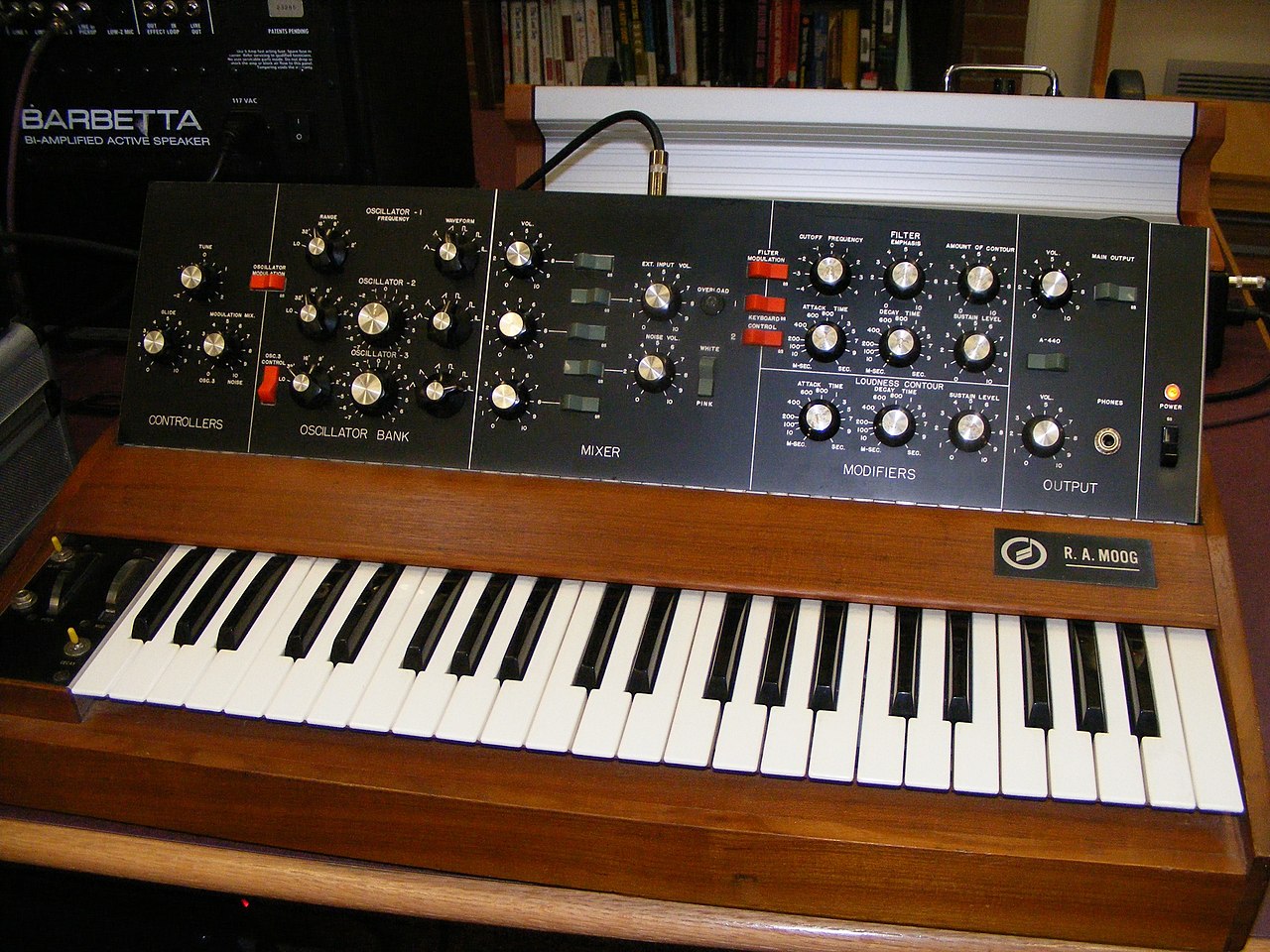
Synthesizers have revolutionized the music industry since their inception, offering a wide range of sounds and possibilities for musicians and producers. The first synthesizers were developed in the early 20th century, with Leon Theremin's theremin being one of the first electronic instruments. Today, synthesizers are an essential part of many music genres, from electronic dance music to film scores. The Moog synthesizer, developed by Robert Moog, is one of the most iconic and influential synthesizers in history. With its subtractive synthesis capabilities, it paved the way for modern synthesizer design. The Roland Jupiter series is another notable example of a synthesizer that has had a significant impact on the music industry.
🔍 History of Synthesizers
The history of synthesizers is a long and fascinating one, with many pioneers contributing to their development. The Telharmonium, developed in the early 20th century, was one of the first electronic instruments to use tonewheels to generate sound. The Hammond organ, introduced in the 1930s, was another influential instrument that used electronic technology to produce sound. The Buchla synthesizer, developed in the 1960s, was one of the first modular synthesizers and paved the way for modern synthesizer design. The EMS VCS 3 is another notable example of a synthesizer that has been used by many famous musicians, including Pink Floyd and Kraftwerk.
🎹 Types of Synthesis
There are several types of synthesis used in synthesizers, each with its own unique characteristics and capabilities. Subtractive synthesis is one of the most common methods, where a sawtooth wave or other waveform is generated and then filtered to produce the desired sound. Additive synthesis is another method, where multiple waveforms are added together to produce a sound. Frequency modulation synthesis is a more complex method, where the frequency of one waveform is modulated by another waveform to produce a sound. The Yamaha DX7 is a notable example of a synthesizer that uses FM synthesis. The Korg M1 is another popular synthesizer that uses sample-based synthesis.
🔊 Subtractive Synthesis
Subtractive synthesis is a method of sound generation where a waveform is generated and then filtered to produce the desired sound. This method is commonly used in analog synthesizers and is known for its rich, warm sound. The Moog filter is a classic example of a subtractive synthesis filter, and is still widely used today in many software synthesizers. The Roland TB-303 is a notable example of a synthesizer that uses subtractive synthesis to produce its unique sound. The Arturia Minimoog is a software synthesizer that emulates the sound of the classic Moog Minimoog.
📈 Additive Synthesis
Additive synthesis is a method of sound generation where multiple waveforms are added together to produce a sound. This method is commonly used in digital synthesizers and is known for its bright, clear sound. The Hammond organ is a classic example of an instrument that uses additive synthesis, and is still widely used today in many genres of music. The Korg Wavestation is a notable example of a synthesizer that uses additive synthesis to produce its unique sound. The Nord Lead is a synthesizer that uses a combination of additive and subtractive synthesis to produce its sound.
📊 Frequency Modulation Synthesis
Frequency modulation synthesis is a method of sound generation where the frequency of one waveform is modulated by another waveform to produce a sound. This method is commonly used in FM synthesizers and is known for its bright, percussive sound. The Yamaha DX7 is a classic example of an FM synthesizer, and is still widely used today in many genres of music. The Korg M1 is another notable example of a synthesizer that uses frequency modulation synthesis to produce its unique sound. The Roland D-50 is a synthesizer that uses a combination of FM and subtractive synthesis to produce its sound.
🎧 Components of a Synthesizer
A synthesizer typically consists of several components, including a sound generator, a filter, an envelope generator, and a low-frequency oscillator. The sound generator produces the initial sound, which is then filtered and shaped by the filter and envelope generator. The low-frequency oscillator is used to modulate the sound and add movement and interest. The Roland Jupiter-8 is a notable example of a synthesizer that has a wide range of components and capabilities. The Moog Sub 37 is a synthesizer that has a unique paraphonic sound generation capability.
🕹️ Playing and Controlling Synthesizers
Synthesizers can be played and controlled in a variety of ways, including with a keyboard, a sequencer, or a software controller. Many modern synthesizers also have MIDI capabilities, which allow them to be controlled by other instruments or devices. The Korg MS-20 is a notable example of a synthesizer that can be controlled with a keyboard or a sequencer. The Arturia V Collection is a software suite that includes a range of virtual synthesizers that can be controlled with a keyboard or a software controller.
🤖 Software Synthesizers
Software synthesizers have become increasingly popular in recent years, offering a wide range of sounds and capabilities at a fraction of the cost of hardware synthesizers. Many software synthesizers are designed to emulate the sound of classic hardware synthesizers, while others offer entirely new and innovative sounds. The Serum synthesizer is a notable example of a software synthesizer that offers a wide range of sounds and capabilities. The Massive synthesizer is another popular software synthesizer that is known for its high-quality sound and intuitive interface.
📊 MIDI and Synchronization
MIDI (Musical Instrument Digital Interface) is a protocol that allows electronic instruments to communicate with each other and with computers. Many synthesizers have MIDI capabilities, which allow them to be controlled by other instruments or devices. The MIDI protocol is widely used in the music industry and has become a standard for electronic instruments. The Korg Electribe is a notable example of a synthesizer that has MIDI capabilities and can be controlled by other instruments or devices.
🎶 Notable Synthesizer Musicians
Many notable musicians have used synthesizers in their music, including Kraftwerk, Pink Floyd, and Tangerine Dream. Synthesizers have been used in a wide range of genres, from electronic dance music to film scores. The Moog synthesizer has been used by many famous musicians, including Keith Emerson and Rick Wakeman. The Roland Jupiter series has been used by many notable musicians, including Jean-Michel Jarre and Vangelis.
🔮 Future of Synthesizers
The future of synthesizers is likely to be shaped by advances in technology and changes in the music industry. As software synthesizers continue to improve, they may become an increasingly popular choice for musicians and producers. The Arturia MicroFreak is a notable example of a hybrid synthesizer that combines the best of both worlds. The Make Noise 0-Coast is a modular synthesizer that offers a wide range of sounds and capabilities. The Teenage Engineering OP-1 is a portable synthesizer that offers a unique sound and interface.
Key Facts
- Year
- 1967
- Origin
- United States
- Category
- Music Technology
- Type
- Music Instrument
Frequently Asked Questions
What is a synthesizer?
A synthesizer is an electronic musical instrument that generates audio signals. Synthesizers typically create sounds by generating waveforms through methods including subtractive synthesis, additive synthesis, and frequency modulation synthesis. These sounds may be altered by components such as filters, envelopes, and low-frequency oscillators. Synthesizers are typically played with keyboards or controlled by sequencers, software or other instruments, and can be synchronized to other equipment via MIDI.
What are the different types of synthesis?
There are several types of synthesis used in synthesizers, including subtractive synthesis, additive synthesis, and frequency modulation synthesis. Subtractive synthesis involves generating a waveform and then filtering it to produce the desired sound. Additive synthesis involves adding multiple waveforms together to produce a sound. Frequency modulation synthesis involves modulating the frequency of one waveform with another waveform to produce a sound.
What are the components of a synthesizer?
A synthesizer typically consists of several components, including a sound generator, a filter, an envelope generator, and a low-frequency oscillator. The sound generator produces the initial sound, which is then filtered and shaped by the filter and envelope generator. The low-frequency oscillator is used to modulate the sound and add movement and interest.
How are synthesizers controlled?
Synthesizers can be controlled in a variety of ways, including with a keyboard, a sequencer, or a software controller. Many modern synthesizers also have MIDI capabilities, which allow them to be controlled by other instruments or devices.
What is MIDI?
MIDI (Musical Instrument Digital Interface) is a protocol that allows electronic instruments to communicate with each other and with computers. Many synthesizers have MIDI capabilities, which allow them to be controlled by other instruments or devices.
Who are some notable musicians who have used synthesizers?
Many notable musicians have used synthesizers in their music, including Kraftwerk, Pink Floyd, and Tangerine Dream. Synthesizers have been used in a wide range of genres, from electronic dance music to film scores.
What is the future of synthesizers?
The future of synthesizers is likely to be shaped by advances in technology and changes in the music industry. As software synthesizers continue to improve, they may become an increasingly popular choice for musicians and producers. Hybrid synthesizers that combine the best of both worlds may also become more popular.