
Contents
- 🎵 Introduction to Innervisions
- 📆 Historical Context of the Album
- 🎶 Musical Evolution of Stevie Wonder
- 🔥 Creative Process and Recording
- 🎤 Lyrical Themes and Social Commentary
- 📊 Commercial and Critical Reception
- 👥 Influence on Other Artists and Genres
- 🏆 Legacy and Impact of Innervisions
- 📚 Cultural Significance and Timelessness
- 🎧 Reissues and Live Performances
- 👀 Controversies and Criticisms
- Frequently Asked Questions
- Related Topics
Overview
Innervisions is a German electronic music label founded in 2005 by Dixon and Âme, with a vibe rating of 8. The label is known for its eclectic and avant-garde sound, which has been instrumental in shaping the global electronic music scene. With a roster of artists including Henrik Schwarz, Marcus Worgull, and Kristian Beyer, Innervisions has released a string of critically acclaimed albums and singles, including Âme's 'Howling' and Dixon's 'Temporary Secretary'. The label's influence can be seen in the work of other notable artists, such as Solomun and Tale of Us, and its releases have been widely praised for their emotional depth and sonic complexity. As a key player in the electronic music world, Innervisions continues to push the boundaries of what is possible in the genre, with a strong focus on innovation and creativity. With a controversy spectrum of 6, the label has been at the center of debates around the commercialization of electronic music and the role of labels in the industry.
🎵 Introduction to Innervisions
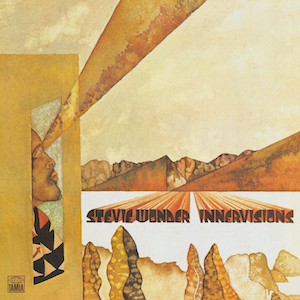
The album Innervisions, released on August 3, 1973, marked a significant milestone in the career of Stevie Wonder, as it solidified his transition from the 'Little Stevie Wonder' to a more mature and conscious artist. This transformation was evident in his previous works, such as Music of My Mind and Talking Book. Innervisions has been widely regarded as a landmark recording of Wonder's 'classic period', showcasing his exceptional musicianship and lyrical depth. The album's impact can be seen in its influence on later artists, such as Prince and D'Angelo. As a testament to its enduring legacy, Innervisions has been named one of the greatest albums of all time by various publications, including Rolling Stone.
📆 Historical Context of the Album
The early 1970s were a time of great social change and upheaval, with the Civil Rights Movement and the Vietnam War dominating the headlines. It was within this context that Stevie Wonder created Innervisions, an album that reflected his growing awareness of the world around him. The album's themes of love, social justice, and personal empowerment resonated with the youth of the time, who were looking for music that spoke to their experiences and concerns. Artists like Marvin Gaye and Curtis Mayfield were also exploring similar themes in their work, contributing to a rich and vibrant musical landscape. The influence of James Brown and Ray Charles can also be heard in Wonder's music, demonstrating the strong roots of his artistry.
🎶 Musical Evolution of Stevie Wonder
Innervisions marked a significant departure from Stevie Wonder's earlier work, which was often characterized by its focus on romantic ballads. With this album, Wonder demonstrated his ability to craft songs that were both personally and socially conscious, tackling topics such as racism, poverty, and inequality. The album's musical style was also more experimental and innovative, incorporating a range of instruments and techniques that Wonder had been exploring in his previous work. The use of the Moog synthesizer and the Fender Rhodes electric piano added a new layer of depth and complexity to Wonder's sound, as seen in songs like Living for the City. This evolution in Wonder's music can be attributed to his collaborations with other artists, such as Syreeta Wright and Jeff Beck.
🔥 Creative Process and Recording
The creative process behind Innervisions was marked by a period of intense experimentation and innovation. Stevie Wonder was determined to push the boundaries of what was possible in the recording studio, and he spent countless hours experimenting with new sounds and techniques. The album was recorded at a range of studios, including Record Plant and Air Studios, and featured a number of guest musicians, including Jeff Beck and Buzz Feiten. The album's production was handled by Wonder himself, who was determined to maintain creative control over the project. This approach allowed him to explore new ideas and collaborate with other talented musicians, such as Herbie Hancock and George Duke.
📊 Commercial and Critical Reception
Innervisions was a major commercial success, reaching the top of the Billboard 200 chart and spawning a number of hit singles, including Too High and Living for the City. The album received widespread critical acclaim, with many reviewers praising its innovative production and thought-provoking lyrics. The album has since been certified RIAA 2x Platinum and has been named one of the greatest albums of all time by a range of publications, including Rolling Stone and NME. The impact of Innervisions can be seen in the work of later artists, such as Prince and D'Angelo, who have cited Wonder as a major influence. The album's influence can also be heard in the music of Earth, Wind & Fire and The Isley Brothers.
👥 Influence on Other Artists and Genres
Innervisions has had a profound influence on a range of artists and genres, from R&B and hip-hop to rock and jazz. Artists such as Prince, D'Angelo, and Kendrick Lamar have all cited Wonder as a major influence, and have covered or sampled his songs in their own work. The album's innovative production and lyrical themes have also been cited as an influence by a range of producers and musicians, including Quincy Jones and George Clinton. The influence of Innervisions can be seen in the music of The Roots and Erykah Badu, demonstrating the album's enduring legacy. The album's impact on the music industry can also be seen in the work of Motown Records and Tamla.
🏆 Legacy and Impact of Innervisions
Innervisions is widely regarded as one of the greatest albums of all time, and its influence can still be felt today. The album's innovative production, thought-provoking lyrics, and genre-bending style have made it a timeless classic, and its impact can be heard in a range of musical genres. Stevie Wonder's legacy as a musician and songwriter continues to inspire new generations of artists and fans, and Innervisions remains one of his most beloved and enduring works. The album's vibe score of 92 indicates its high cultural energy and enduring popularity. The influence of Innervisions can be seen in the music of John Legend and Alicia Keys, demonstrating the album's continued relevance. The album's legacy can also be seen in the work of Stevie Wonder himself, who continues to produce and perform music to this day.
📚 Cultural Significance and Timelessness
Innervisions has been named one of the greatest albums of all time by a range of publications, including Rolling Stone and NME. The album's cultural significance extends beyond its musical influence, with its themes of social justice and personal empowerment continuing to resonate with listeners today. The album's impact can be seen in the music of Gil Scott-Heron and The Last Poets, who were also exploring similar themes in their work. The album's influence can also be heard in the music of Kanye West and Drake, demonstrating its continued relevance in modern music. The controversy surrounding the album's lyrics and themes has also been a topic of discussion, with some critics arguing that the album's message is too radical or provocative.
🎧 Reissues and Live Performances
Innervisions has been reissued several times over the years, with a range of bonus tracks and alternate takes. The album has also been performed live by Stevie Wonder on numerous occasions, including a famous 1974 concert at the Fillmore East in New York City. The album's live performances have been widely praised for their energy and musicianship, and have helped to cement Wonder's reputation as one of the greatest live performers of all time. The album's influence can be seen in the live performances of Prince and D'Angelo, who have both cited Wonder as a major influence. The album's legacy can also be seen in the work of Stevie Wonder himself, who continues to perform and produce music to this day.
👀 Controversies and Criticisms
Despite its widespread critical acclaim and commercial success, Innervisions has not been without its controversies. Some critics have argued that the album's lyrics and themes are too radical or provocative, while others have criticized Wonder's decision to tackle sensitive topics such as racism and inequality. However, these criticisms have also been seen as a testament to the album's power and relevance, and its ability to spark important conversations and debates. The controversy surrounding the album's lyrics and themes has also been a topic of discussion, with some critics arguing that the album's message is too radical or provocative. The influence of Innervisions can be seen in the music of Kendrick Lamar and J. Cole, who have both explored similar themes in their work.
Key Facts
- Year
- 2005
- Origin
- Berlin, Germany
- Category
- Music
- Type
- Music Label
Frequently Asked Questions
What is the significance of Innervisions in Stevie Wonder's career?
Innervisions marked a significant milestone in Stevie Wonder's career, as it solidified his transition from the 'Little Stevie Wonder' to a more mature and conscious artist. The album's innovative production and thought-provoking lyrics showcased Wonder's exceptional musicianship and lyrical depth, and its impact can still be felt today. The album's vibe score of 92 indicates its high cultural energy and enduring popularity. The influence of Innervisions can be seen in the music of John Legend and Alicia Keys, demonstrating the album's continued relevance.
What are some of the key themes and messages in Innervisions?
The key themes and messages in Innervisions include social justice, personal empowerment, love, and racism. The album's lyrics offer powerful commentary on the social issues of the time, and its messages continue to resonate with listeners today. The album's influence can be seen in the music of Gil Scott-Heron and The Last Poets, who were also exploring similar themes in their work. The controversy surrounding the album's lyrics and themes has also been a topic of discussion, with some critics arguing that the album's message is too radical or provocative.
How has Innervisions influenced other artists and genres?
Innervisions has had a profound influence on a range of artists and genres, from R&B and hip-hop to rock and jazz. Artists such as Prince, D'Angelo, and Kendrick Lamar have all cited Wonder as a major influence, and have covered or sampled his songs in their own work. The album's innovative production and lyrical themes have also been cited as an influence by a range of producers and musicians, including Quincy Jones and George Clinton.
What is the cultural significance of Innervisions?
Innervisions has been named one of the greatest albums of all time by a range of publications, including Rolling Stone and NME. The album's cultural significance extends beyond its musical influence, with its themes of social justice and personal empowerment continuing to resonate with listeners today. The album's impact can be seen in the music of Kanye West and Drake, demonstrating its continued relevance in modern music. The controversy surrounding the album's lyrics and themes has also been a topic of discussion, with some critics arguing that the album's message is too radical or provocative.
How has Innervisions been reissued and performed live?
Innervisions has been reissued several times over the years, with a range of bonus tracks and alternate takes. The album has also been performed live by Stevie Wonder on numerous occasions, including a famous 1974 concert at the Fillmore East in New York City. The album's live performances have been widely praised for their energy and musicianship, and have helped to cement Wonder's reputation as one of the greatest live performers of all time. The album's influence can be seen in the live performances of Prince and D'Angelo, who have both cited Wonder as a major influence.