
Contents
Overview
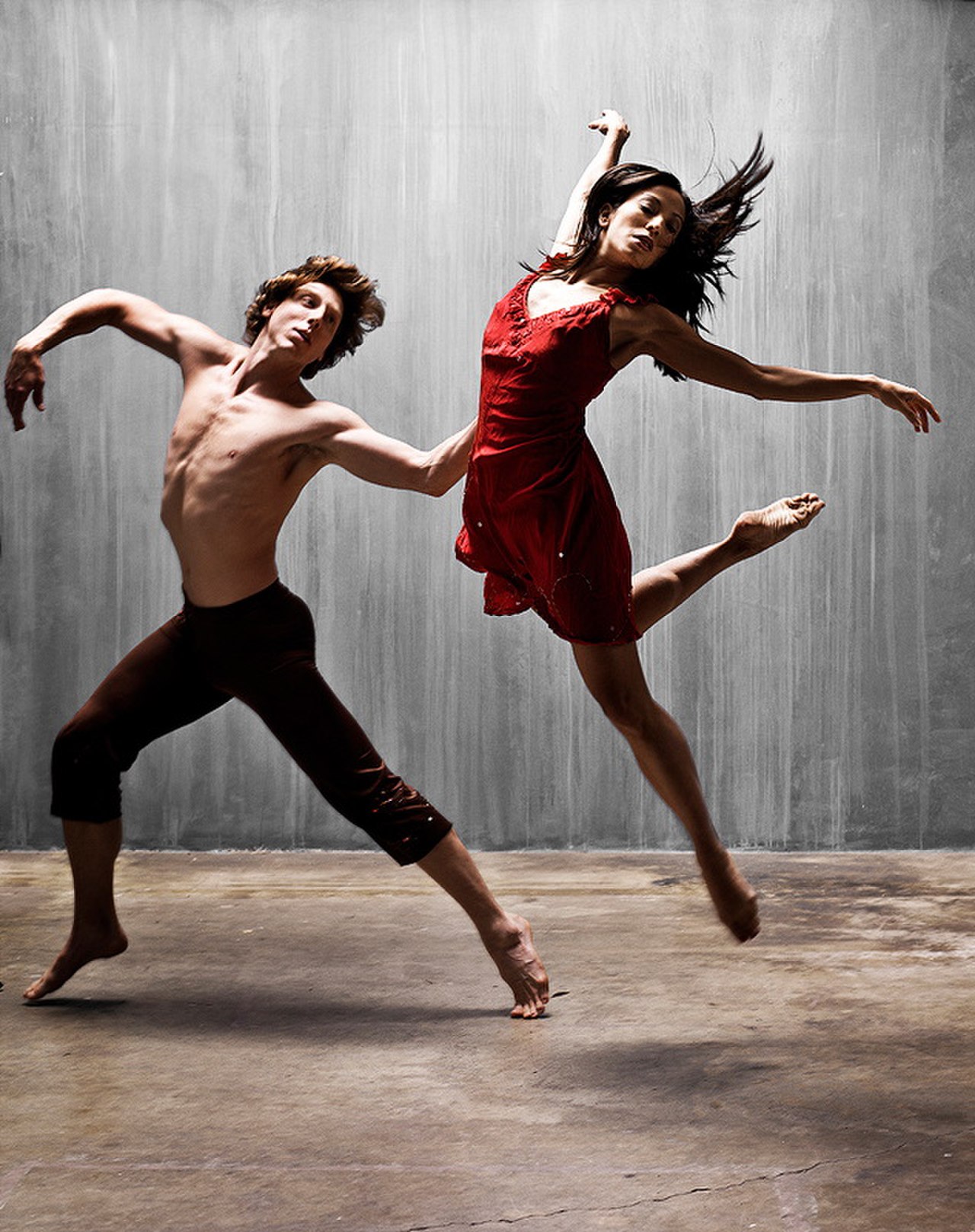
Dance is a universal language, understood and appreciated by people all over the world. It is an art form that consists of sequences of body movements with aesthetic and often symbolic value, either improvised or purposefully selected. As noted by Martha Graham, a renowned American dancer and choreographer, dance is a powerful medium for expression and communication. Dance can be categorized and described by its choreography, by its repertoire of movements or by its historical period or place of origin. For instance, ballet is a classical dance form that originated in Italy and France, while hip-hop is a contemporary dance style that emerged in the United States.
💃 History of Dance
The history of dance dates back to ancient civilizations, with evidence of dance forms found in Egyptian and Greek cultures. Over time, dance has evolved and branched out into various styles, including modern dance, jazz, and tap dance. As observed by Alvin Ailey, a prominent American dancer and choreographer, dance has played a significant role in shaping cultural and social norms. The Ballets Russes, a renowned ballet company, revolutionized the world of dance with its innovative productions and collaborations with famous artists like Pablo Picasso.
🕺 Types of Dance
There are numerous types of dance, each with its unique characteristics and requirements. Contemporary dance is a fusion of modern, jazz, and ballet techniques, while ballroom dance encompasses waltz, tango, and foxtrot. Hip-hop dance, which includes breaking, popping, and locking, has become a popular style in recent years. As noted by Mikhail Baryshnikov, a Russian-American dancer and choreographer, the diversity of dance styles is a reflection of the richness and complexity of human experience. For example, kathak is a classical dance form from India that emphasizes rapid footwork and intricate hand gestures.
🎶 Music and Dance
Music and dance are intimately connected, with dance often being performed to musical accompaniment. In some cases, dancers may also play musical instruments themselves, as seen in flamenco and kabuki performances. The relationship between music and dance is complex and multifaceted, with each influencing the other in subtle yet powerful ways. As observed by George Balanchine, a Russian-American choreographer, music is the foundation upon which dance is built. For instance, Swan Lake is a famous ballet that features a iconic score by Pyotr Ilyich Tchaikovsky.
👥 Dance and Culture
Dance is deeply rooted in culture and society, reflecting the values, traditions, and customs of a particular community. African dance, for example, is characterized by its energetic and rhythmic movements, often performed to the beat of drums and other percussion instruments. In contrast, ballet is a classical dance form that originated in Europe and is often associated with elegance and refinement. As noted by Judith Jamison, an American dancer and choreographer, dance has the power to transcend cultural boundaries and bring people together. For example, salsa is a popular dance style that originated in Latin America and has become a global phenomenon.
🏫 Dance Education
Dance education is an essential aspect of a dancer's training, providing them with the technical skills and artistic expression needed to succeed in the field. Dance education programs are offered at various institutions, from schools to universities, and often include courses in ballet, modern dance, and jazz. As observed by Twyla Tharp, an American dancer and choreographer, dance education should emphasize creativity, experimentation, and risk-taking. For instance, the Juilliard School is a renowned institution that offers a comprehensive dance program.
🕴️ Dance and Technology
The advent of technology has significantly impacted the world of dance, providing new tools and platforms for creation, performance, and dissemination. Dance technology includes software and hardware that enable dancers to create and manipulate digital images, sounds, and movements. As noted by Merce Cunningham, an American dancer and choreographer, technology has expanded the possibilities of dance and challenged traditional notions of space and time. For example, motion capture technology allows dancers to create digital avatars and perform in virtual environments.
👏 Dance Performance
Dance performance is a vital aspect of a dancer's career, providing them with the opportunity to showcase their skills and artistic expression. Dance performance can take many forms, from ballet and modern dance to hip-hop and contemporary dance. As observed by Pina Bausch, a German dancer and choreographer, dance performance is a complex and multifaceted process that requires careful planning, rehearsal, and execution. For instance, the New York City Ballet is a renowned company that performs a wide range of ballets and contemporary works.
🤔 Dance Criticism
Dance criticism is an essential aspect of the dance world, providing a framework for evaluating and interpreting dance performances. Dance criticism involves analyzing the technical, artistic, and cultural aspects of a dance piece, as well as its emotional and intellectual impact on the audience. As noted by Arlene Croce, an American dance critic, dance criticism should be informed, nuanced, and respectful. For example, The New Yorker is a prominent publication that features dance reviews and criticism.
🌈 Dance and Identity
Dance and identity are closely intertwined, with dance often reflecting and shaping a person's sense of self and cultural affiliation. Dance and identity is a complex and multifaceted topic, involving issues of race, gender, sexuality, and disability. As observed by Bill T. Jones, an American dancer and choreographer, dance has the power to challenge and subvert dominant norms and stereotypes. For instance, vogue is a dance style that originated in the African American and Latino LGBTQ+ community and has become a global phenomenon.
📚 Dance Research
Dance research is a vital aspect of the dance world, providing a framework for investigating and understanding the history, theory, and practice of dance. Dance research involves analyzing primary and secondary sources, including dance notation, dance photography, and dance film. As noted by Susan Levine, an American dance historian, dance research should be rigorous, systematic, and interdisciplinary. For example, the Library of Congress is a prominent institution that houses a vast collection of dance-related materials and resources.
Key Facts
- Category
- topic
- Type
- topic
Frequently Asked Questions
What is dance?
Dance is an art form that consists of sequences of body movements with aesthetic and often symbolic value, either improvised or purposefully selected. It can be categorized and described by its choreography, by its repertoire of movements or by its historical period or place of origin. As noted by Martha Graham, dance is a powerful medium for expression and communication.
What are the different types of dance?
There are numerous types of dance, each with its unique characteristics and requirements. Contemporary dance is a fusion of modern, jazz, and ballet techniques, while ballroom dance encompasses waltz, tango, and foxtrot. Hip-hop dance, which includes breaking, popping, and locking, has become a popular style in recent years. As noted by Mikhail Baryshnikov, the diversity of dance styles is a reflection of the richness and complexity of human experience.
What is the relationship between music and dance?
Music and dance are intimately connected, with dance often being performed to musical accompaniment. In some cases, dancers may also play musical instruments themselves, as seen in flamenco and kabuki performances. The relationship between music and dance is complex and multifaceted, with each influencing the other in subtle yet powerful ways. As observed by George Balanchine, music is the foundation upon which dance is built.
What is dance education?
Dance education is an essential aspect of a dancer's training, providing them with the technical skills and artistic expression needed to succeed in the field. Dance education programs are offered at various institutions, from schools to universities, and often include courses in ballet, modern dance, and jazz. As observed by Twyla Tharp, dance education should emphasize creativity, experimentation, and risk-taking.
What is dance criticism?
Dance criticism is an essential aspect of the dance world, providing a framework for evaluating and interpreting dance performances. Dance criticism involves analyzing the technical, artistic, and cultural aspects of a dance piece, as well as its emotional and intellectual impact on the audience. As noted by Arlene Croce, dance criticism should be informed, nuanced, and respectful.
What is the relationship between dance and identity?
Dance and identity are closely intertwined, with dance often reflecting and shaping a person's sense of self and cultural affiliation. Dance and identity is a complex and multifaceted topic, involving issues of race, gender, sexuality, and disability. As observed by Bill T. Jones, dance has the power to challenge and subvert dominant norms and stereotypes.
What is dance research?
Dance research is a vital aspect of the dance world, providing a framework for investigating and understanding the history, theory, and practice of dance. Dance research involves analyzing primary and secondary sources, including dance notation, dance photography, and dance film. As noted by Susan Levine, dance research should be rigorous, systematic, and interdisciplinary.